Installing outdoor wall lights can enhance your home's safety and aesthetics. However, traditional wiring methods can be complicated and costly. According to the National Electrical Manufacturers Association, outdoor lighting installations have increased by 35% in recent years. This surge indicates a growing interest in effective outdoor illumination.
Chris Donovan, a lighting design expert, emphasizes that “choosing wireless solutions opens new possibilities.” This insight shines light on the innovations in outdoor lighting installation. More homeowners are seeking easy solutions for how to install outdoor wall lights without wiring. With advancements in solar technology and battery-operated fixtures, the task is now simpler than ever.
Despite these advances, some challenges remain. Not all outdoor wall lights are suitable for every home design or environment. Factors like sunlight exposure and location must be considered. Research shows that improperly installed lights can lead to safety issues or inadequate illumination. Homeowners should approach this topic with careful planning to ensure optimal results.
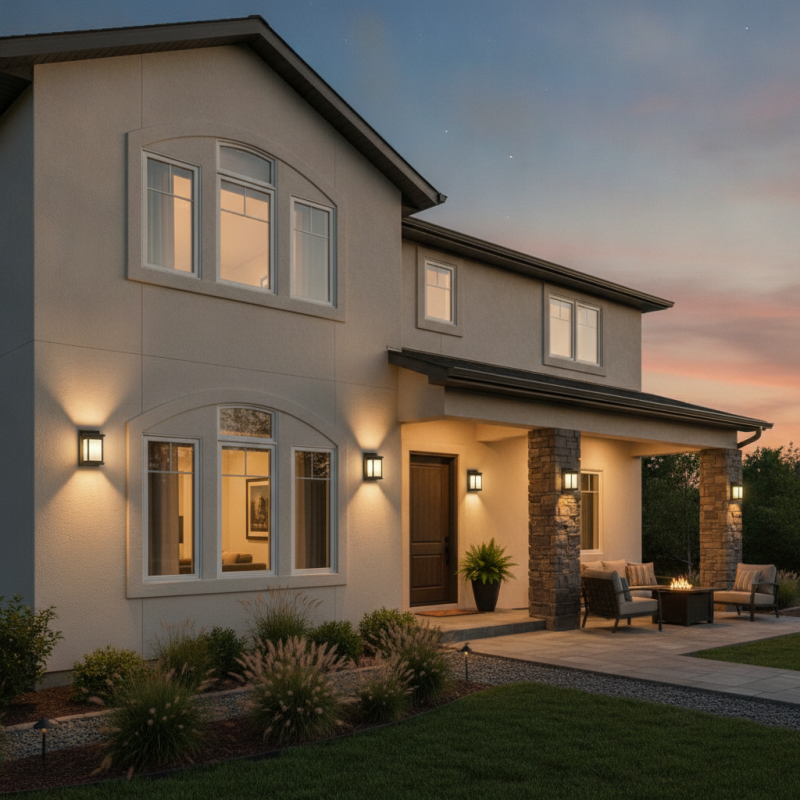
When selecting outdoor wall lights, consider the style and purpose of your space. If you have a cozy patio, warm-toned lights can create an inviting ambiance. On the other hand, for a modern home, sleek designs with cool colors may be more suitable. Think about the mood you want to set. Soft lighting might enhance relaxation, while bright lights can improve safety.
Also, don't overlook the size and placement of the lights. Large fixtures can overpower a small area, while tiny lights might get lost on a big wall. Pay attention to the height at which you install them. Lights placed too high can fail to illuminate the desired areas effectively. Test different locations before making a final decision, as this can drastically change the atmosphere.
Lastly, research energy-efficient options. LED lights are often the best choice. They last longer and reduce energy costs. However, not all LED lights are created equal. Look for those with adjustable brightness settings. This flexibility allows you to adapt the lighting for different occasions. Balancing aesthetics and functionality can be challenging, but finding the right outdoor wall lights makes a significant difference.
When it comes to outdoor lighting, battery-powered and solar options make installation easy and hassle-free. These lights offer flexibility and convenience. You won’t need to mess with complicated wiring. Plus, they can enhance your home’s curb appeal effectively.
Battery-powered lights are a practical choice. They are portable and often come with motion sensors. You can place them anywhere without needing an electrical outlet. Some may consider the battery life a downside, as regular replacements are needed. Yet, the ease of installation often outweighs this concern.
Solar lights serve as an eco-friendly alternative. They harness sunlight, reducing electricity costs and environmental impact. However, their performance can diminish on cloudy days. Positioning them for maximum sun exposure is vital.
Tips: Always check the weather resistance of the lights. Choose lights with good visibility range. Experiment with placement to find the best angles for illuminating your space.
| Type of Light | Power Source | Brightness (Lumens) | Battery Life | Installation Ease |
|---|---|---|---|---|
| Solar LED Wall Light | Solar Panel | 100-300 | Up to 12 hours | Very Easy |
| Battery-Powered Wall Light | Replaceable Batteries | 150-400 | Up to 6 months | Easy |
| Motion Sensor Solar Light | Solar Panel | 200-500 | Up to 10 hours | Very Easy |
| Wall Mounted Battery Light | Rechargeable Battery | 100-360 | 3-8 hours | Moderately Easy |
Preparing your installation area for outdoor wall lights is crucial for a successful setup. Start by selecting a clean, dry wall space. This ensures the best adhesion for mounting brackets. Remove any dirt or debris. Use a cloth to wipe the surface. Dust can interfere with the installation. Take your time with this step to avoid mistakes later on.
Next, think about the lighting layout. Use a measuring tape to determine the ideal height for your lights. Generally, 5 to 6 feet above the ground works well. Mark these points clearly. Consider how the lights will enhance your outdoor space. Check for any potential obstructions like trees or furniture. They may block the light's effectiveness.
Once you have your points marked, double-check the alignment. Ensure they are even and spaced appropriately. It’s easy to overlook small details during this phase. Reflect on your choices and adjust as needed. Each adjustment may lead to a better overall look and functionality.
Mounting outdoor wall lights without wiring can seem challenging. However, with the right tools and a clear plan, it can be a smooth process. Begin by selecting lights designed for easy installation. Look for solar-powered or battery-operated options. These lights do not require any electrical connections. Check the area where you want to install them. Ensure there’s enough sunlight for solar lights or nearby access to outlets for battery-operated ones.
Gather basic tools like a screwdriver and a level. Mark where you want to place the lights. Use the level to ensure they’ll be straight. For solar lights, simply use mounting brackets or screws provided. If you choose battery-operated ones, follow the manufacturer’s instructions. Sometimes, the battery compartment can be tricky. Test them for a few days. If they don’t light up well, consider adjusting their positioning. Don’t hesitate to try different spots for better illumination.
Remember, it’s okay to make mistakes during this process. You might drill holes in the wrong places or pick spots that don’t get enough light. Learning from each attempt will lead to a better outcome. Outdoor lighting not only enhances safety but can also dramatically improve curb appeal.
When installing outdoor wall lights without wiring, maintenance plays a crucial role. Regular checking ensures lights operate efficiently. Weather conditions can impact their longevity. Inspect your fixtures for any signs of wear. Look for rust or fading, which can affect brightness.
To enhance your outdoor setup, consider the placement of your lights. Position them to illuminate pathways or highlight features like trees. Adjustable lights can help create different moods. Use motion sensors to save energy while adding security. However, it’s essential to position sensors carefully to avoid false triggers.
Remember to clean the fixtures periodically. Dirt and grime can diminish illumination. A gentle wipe with a damp cloth is often enough. Testing different bulb types may yield better results for brightness and color. Reflect on the overall ambiance. Is it achieving your desired effect? Adjustments might be necessary for the perfect atmosphere.
: Consider your space's style and purpose. Warm lights are cozy; cool colors fit modern homes.
Large fixtures can overpower small areas. Install lights at a proper height for effective illumination.
LED lights are a smart choice. They last longer and can save on energy costs.
Battery-powered lights are portable and easy to install. Some come with motion sensors for convenience.
Solar lights harness sunlight, making them eco-friendly. They may work less efficiently on cloudy days.
A screwdriver and a level are essential. You'll also need mounting brackets or screws for some options.
Yes, mistakes are common. You may drill incorrectly or choose poor locations, but learn from them.
Proper positioning ensures maximum sun exposure. This optimizes their performance and lighting efficiency.
Check the visibility range when choosing lights. Experiment with different placements to find the best angles.
Test different locations for installation. Adjusting their position can improve brightness and overall effectiveness.
This article provides a comprehensive guide on how to install outdoor wall lights without wiring, making it an ideal solution for those looking to enhance their outdoor spaces easily. It begins by helping you choose the right outdoor wall lights that suit your environment. The article explores battery-powered and solar lighting options, which are both practical and eco-friendly alternatives to traditional wired systems.
Additionally, it details the process of preparing your installation area and outlines simple steps to mount outdoor wall lights without the need for complex wiring. Finally, the article offers valuable tips for maintaining and enhancing your outdoor wall lighting setup, ensuring that your outdoor area remains inviting and well-lit throughout the seasons.
