Explore our leading architectural luminaires designed for harsh outdoor environments, incorporating multi-CCT options, die-cast materials, and high-efficiency driver solutions.
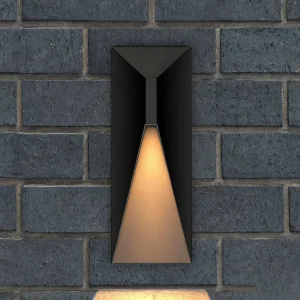
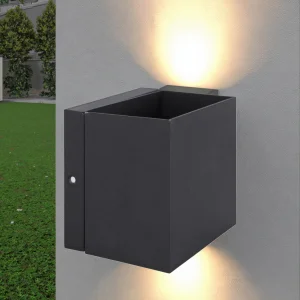
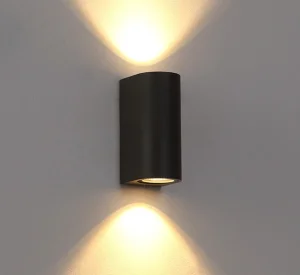
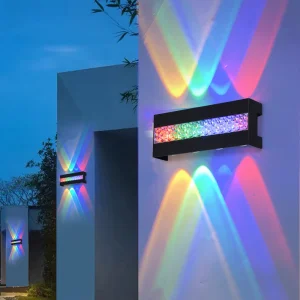
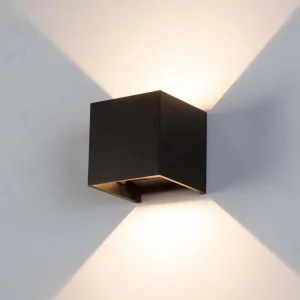
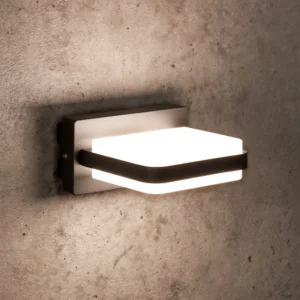
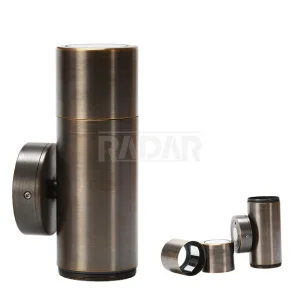
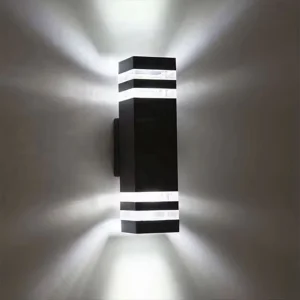
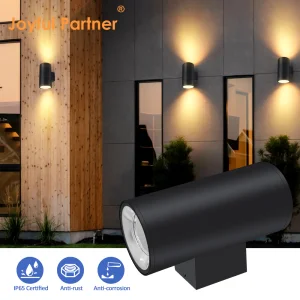
Architectural facade lighting has shifted from simple illumination to a critical component of spatial dynamics. Up and down wall lights, by throwing beam angles symmetrically or asymmetrically across vertical planes, do not merely illuminate surfaces; they transform physical structures, accentuating geometric depth while minimizing peripheral light scatter. For structural engineers, design specifications are strictly regulated to optimize glare indices, prevent luminous pollution (Dark Sky compliancy), and ensure high efficiency. High-performance aluminum up-and-down fixtures serve as key elements for commercial and luxury residential layouts, establishing visible patterns of texture and material definition.
From an engineering standpoint, these fixtures rely on strict thermal pathway models. Heat dissipation is critical when high-lumen, compact chipsets are embedded within sealed IP65 or IP66 enclosures. High-grade ADC12 die-cast aluminum alloys, treated with specialized electrostatic powder coatings, protect internal arrays against ambient heat build-up and coastal saline corrosion. These properties ensure that mechanical components perform consistently across multi-year lifecycles, reducing operating and maintenance overheads for facility managers.
Equipped with high-resilience silicone gaskets and seamless mechanical seals to prevent moisture ingress, even in intense wind and rain conditions.
Engineered with dedicated thermal dissipation fins and thick aluminum boards to keep junction temperatures well below the degradation threshold.
Incorporates specialized 5CCT and 3CCT dip-switch mechanisms, allowing field adjustments between 2700K and 5000K to match varied project requirements.
Since our founding in 2007, Jiangmen Dixon Lighting Co., Ltd. has established itself as an industry leader in outdoor lighting production. Over the past 15 years, we have built trusted relationships with global markets across North America, Europe, Australia, and various other international regions. We focus on designing, engineering, and manufacturing robust, energy-efficient, and aesthetically refined outdoor luminaires for commercial, architectural, residential, and high-performance landscape applications.
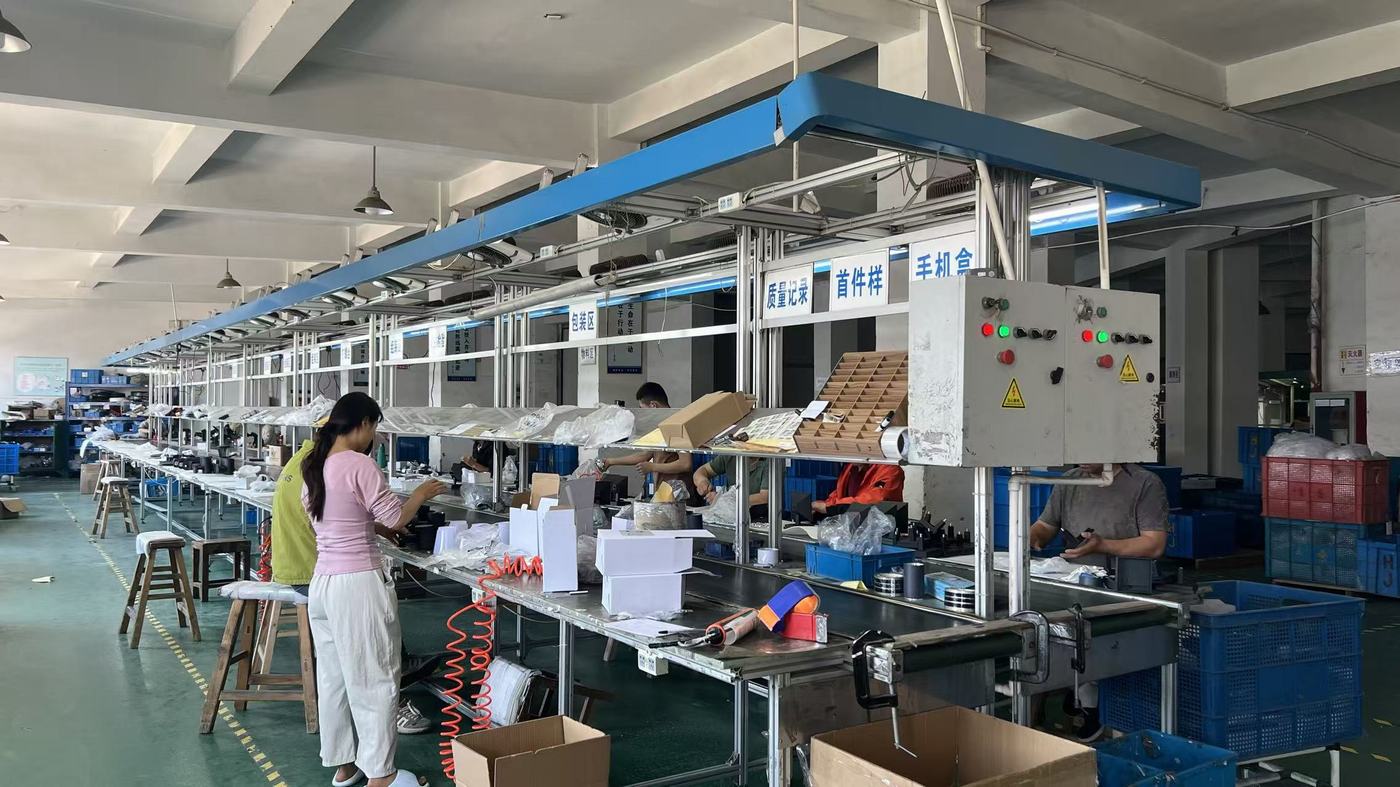
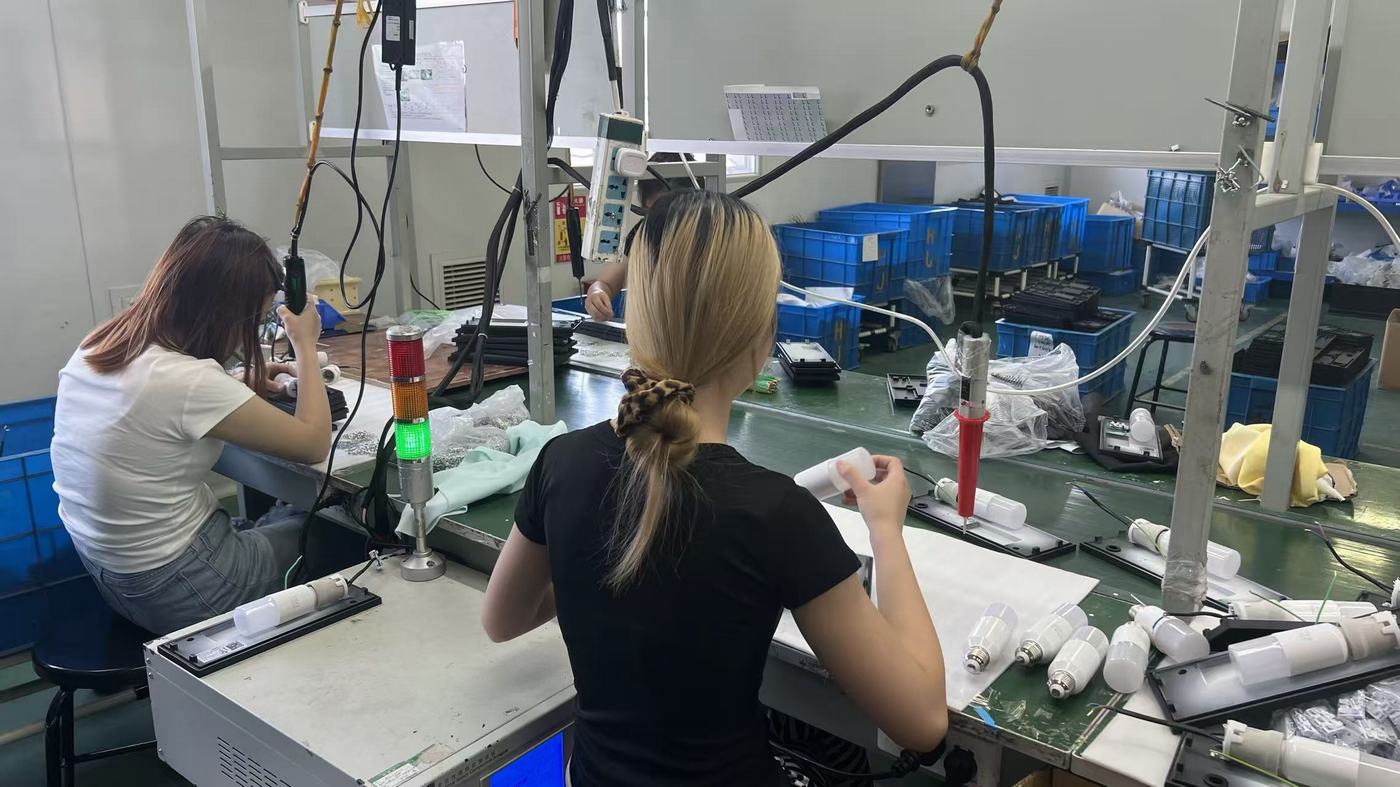
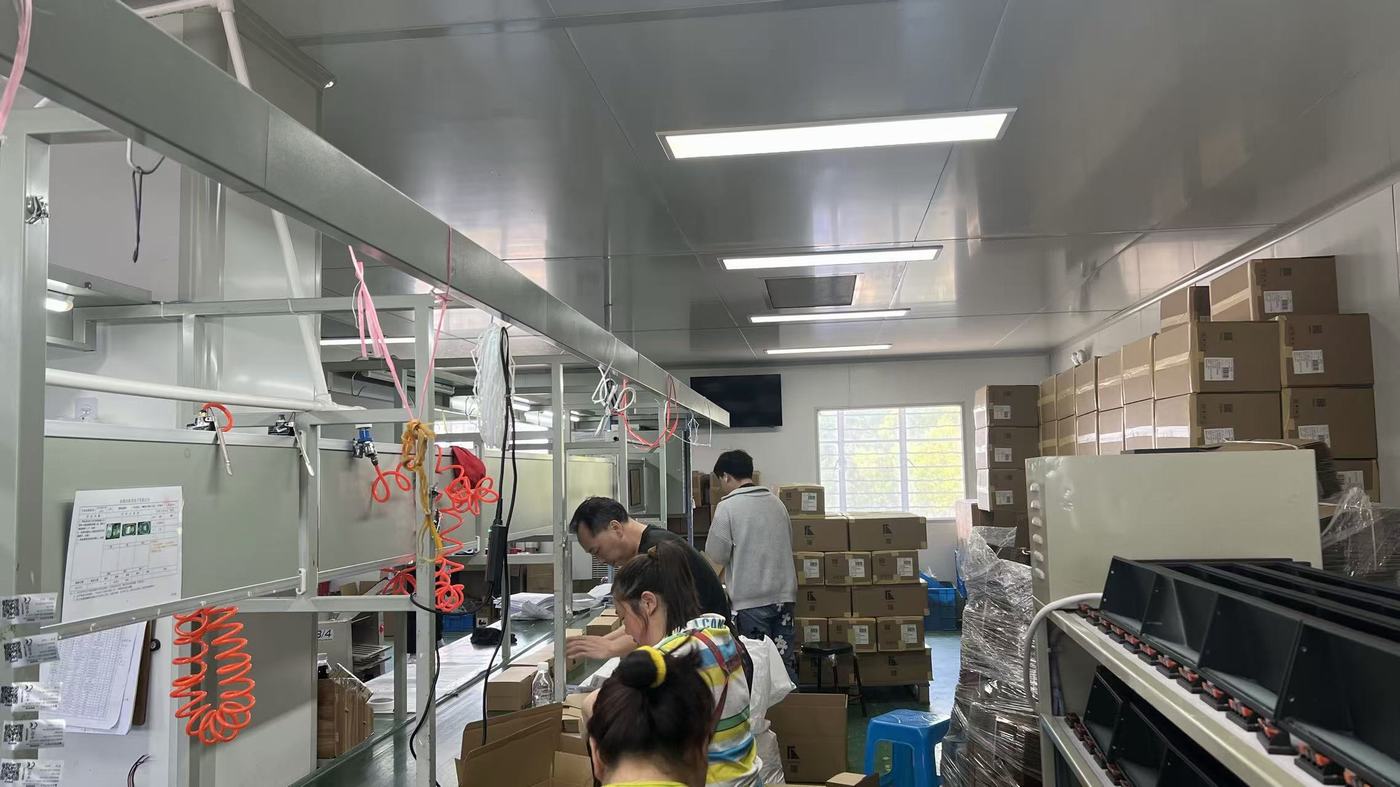
Operating from a modern 5,000-square-meter manufacturing facility, we employ over 100 skilled professionals, including a dedicated research and development team, seasoned technical support engineers, and QA/QC inspectors. Our facility relies on an integrated enterprise resource planning (ERP) system to monitor every phase of production, ensuring that lead times remain consistent and every client receives reliable, trace-certified hardware.
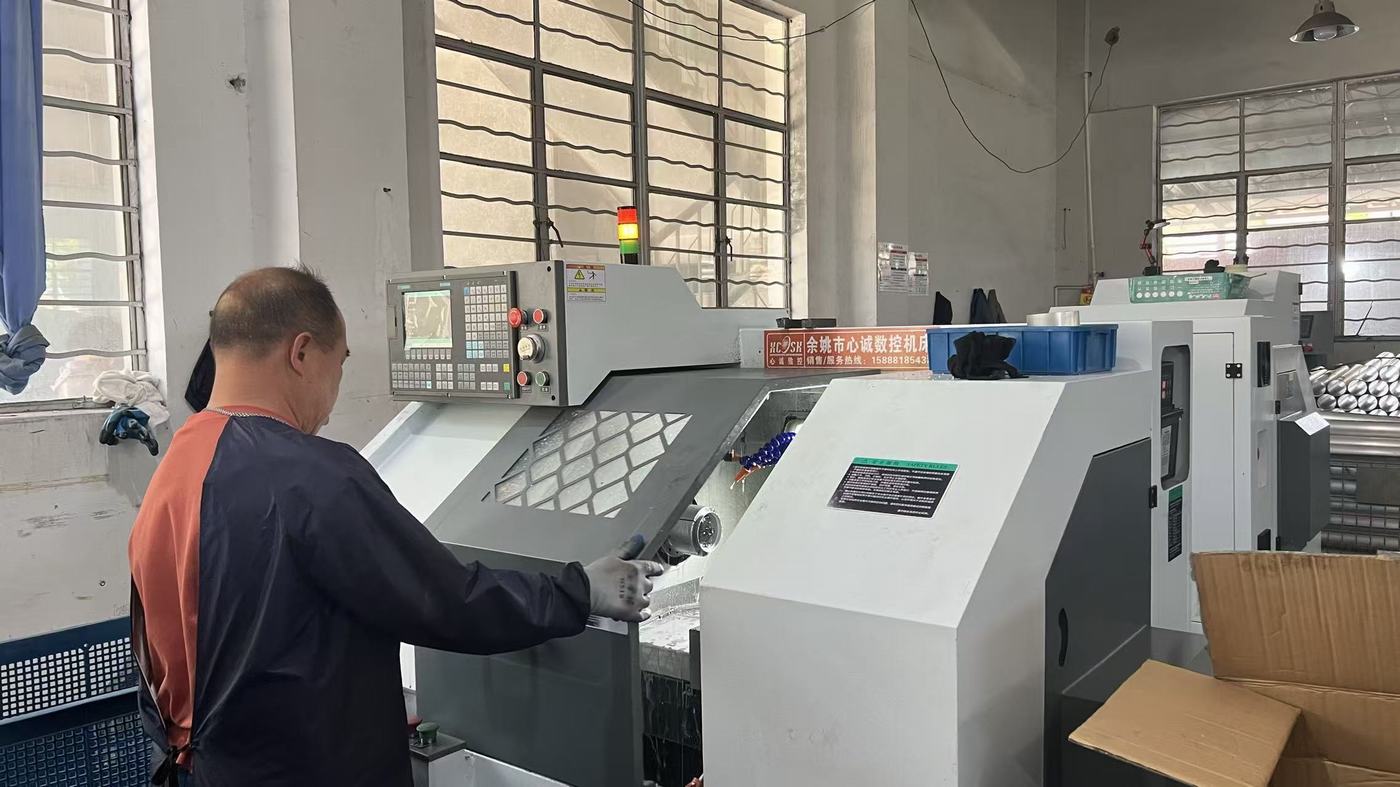
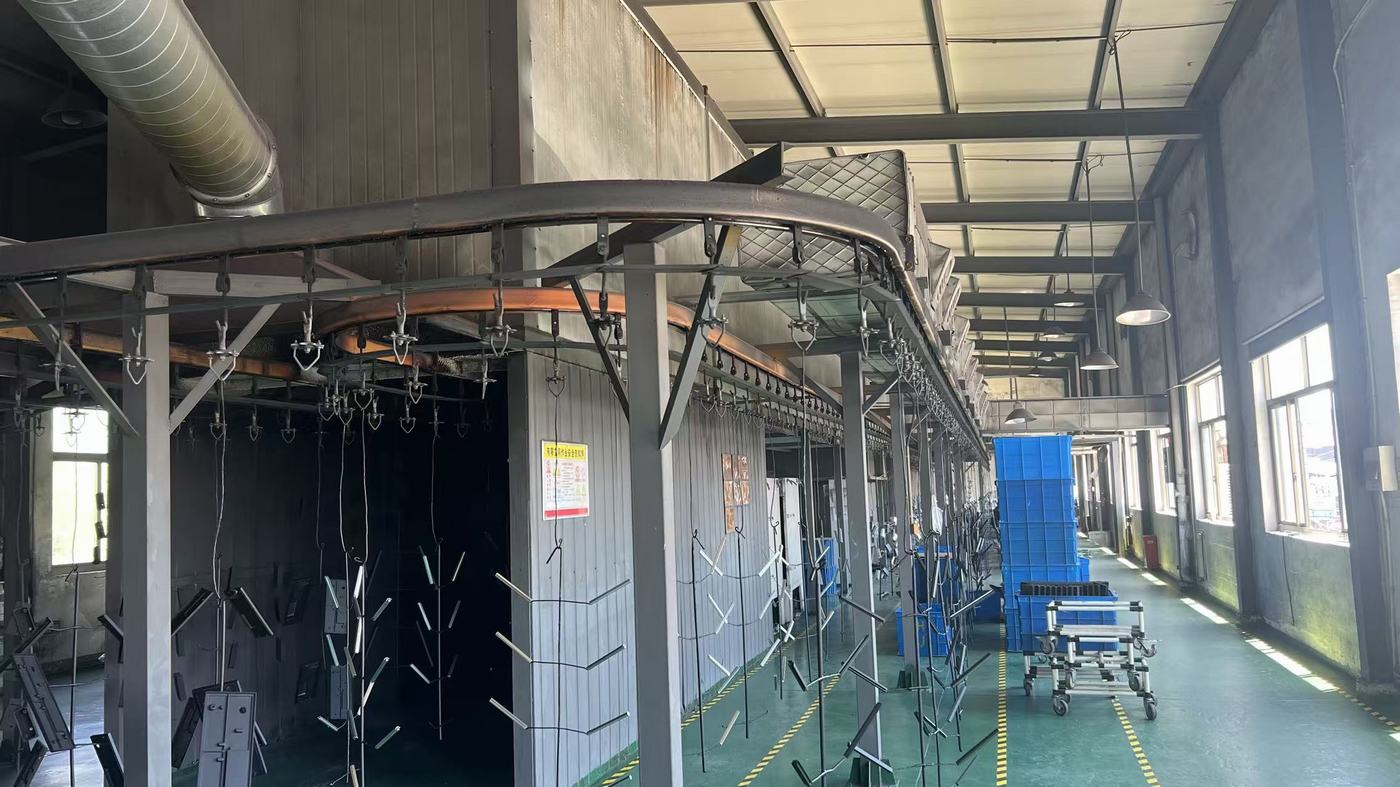
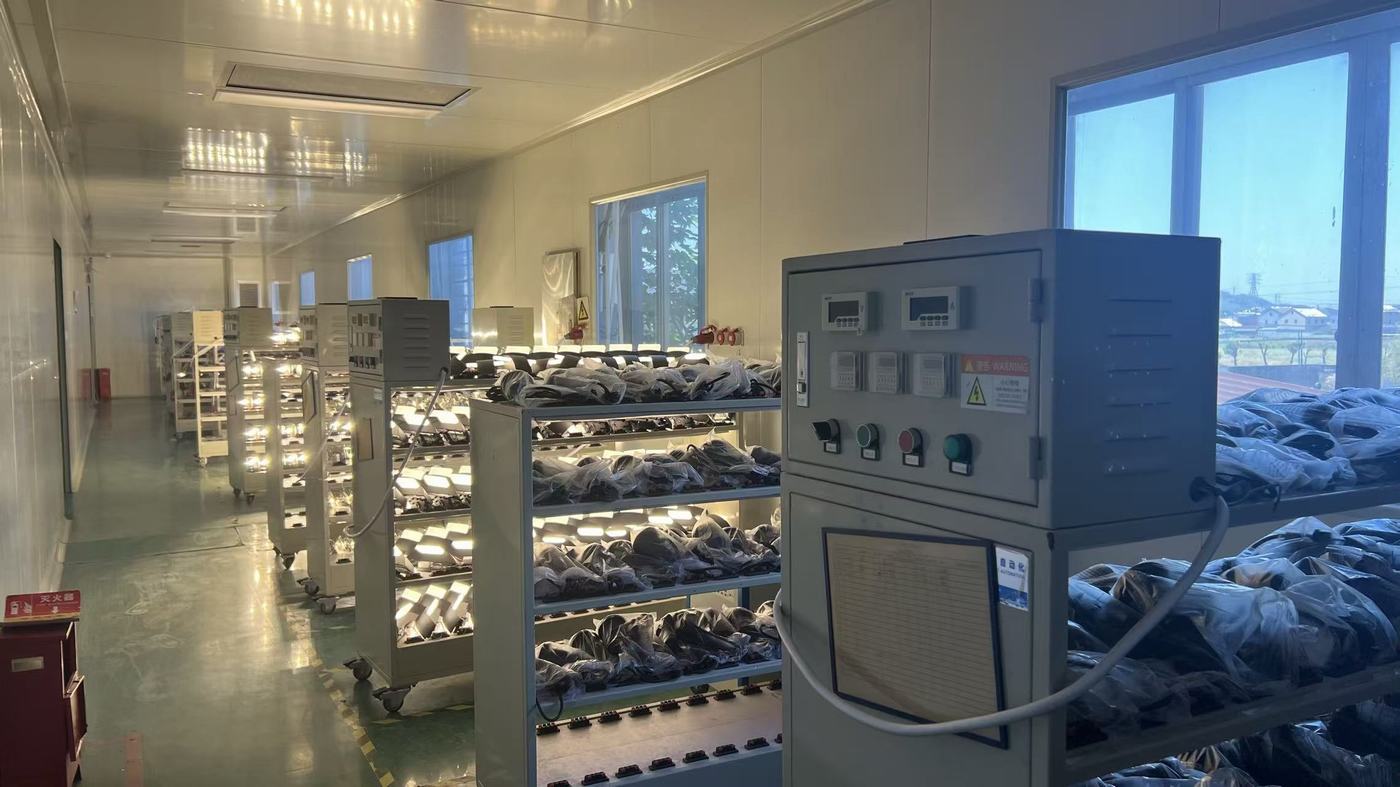
A transparency check of our facility's operations. Our strict quality system controls product assembly, surface treatments, aging cycles, and precise mechanical fabrication.
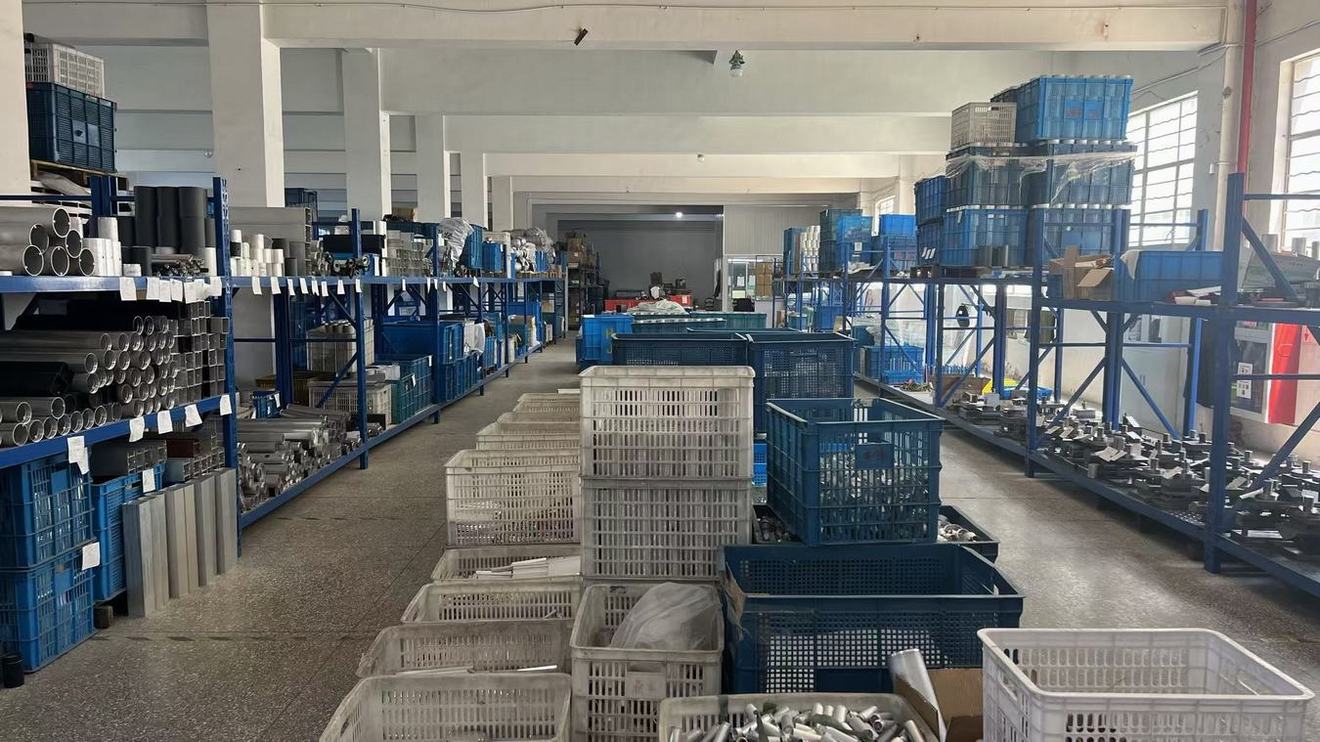
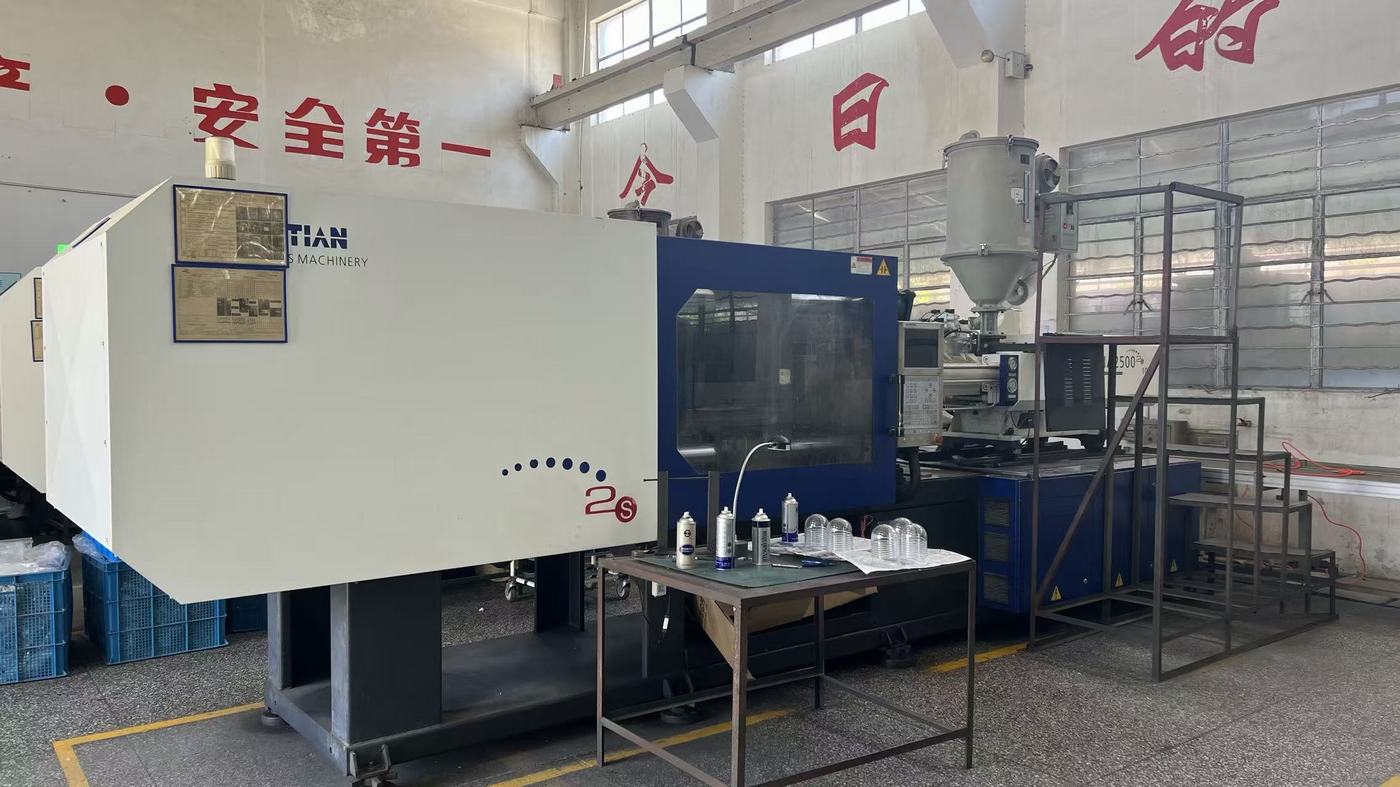
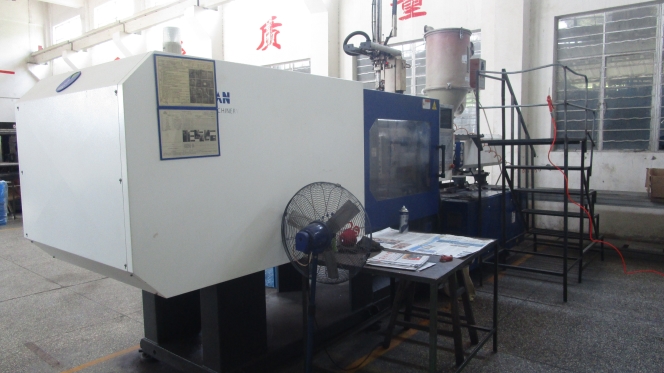
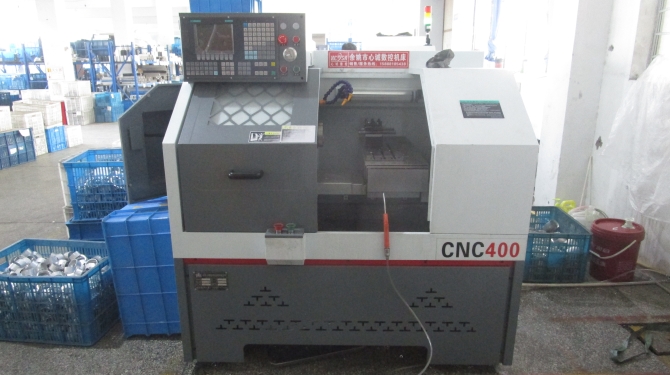
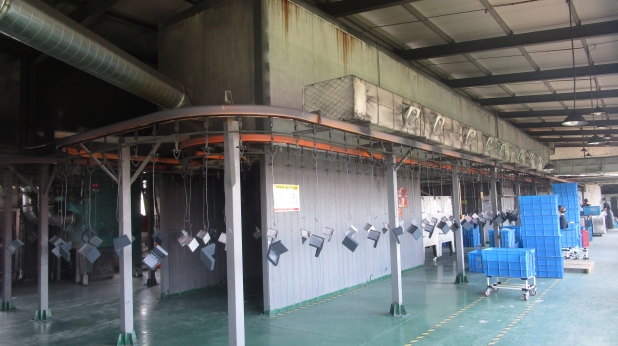
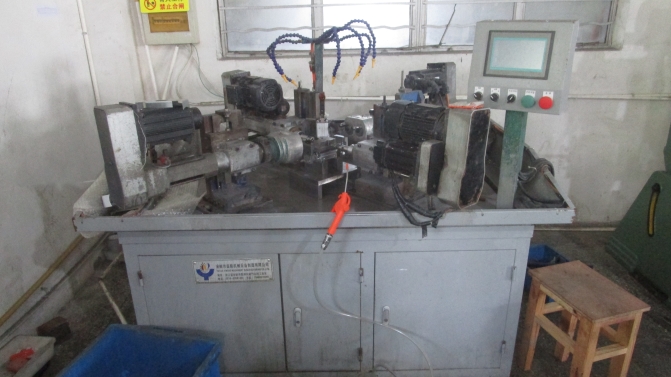
We source primary aluminum and custom-formulated ABS/PC elements to ensure our structural frames remain rigid and rust-free over decades of exposure.
Certified to CE, RoHS, and ETL standards. We partner with top testing bodies like TUV Rheinland and Intertek to guarantee product safety and regulatory alignment.
Our facility utilizes CNC stations, multi-axis drills, and automated painting booths to maintain dimensional tolerances under 0.05mm.
Jiangmen, located in China's Pearl River Delta, is a major industrial hub for advanced solid-state lighting. This geographical position allows Dixon Lighting to optimize procurement costs across the entire supply chain—from high-grade aluminum extrusions and structural optics to certified LED driver assemblies. By concentrating our raw material suppliers, CNC machining shops, and surface treatment facilities within a 50-kilometer radius, we shorten turnaround windows and maintain highly competitive production costs for high-performance luminaires.
Dixon’s manufacturing model integrates these local supply advantages with strict international QA/QC protocols. Every incoming production batch of LEDs undergoes spectrophotometer verification for luminous flux, color temperature consistency (SDCM < 5), and color rendering accuracy. By maintaining direct control over key manufacturing steps, we provide global engineering distributors, wholesale partners, and OEM clients with consistent product quality and predictable shipping timelines.
Choosing the right fixture requires evaluating site-specific environmental conditions, local building regulations, and operational parameters.
Outdoor wall-mounted luminaires must withstand harsh environmental challenges. Along coastal borders, high relative humidity and salt spray accelerate galvanic corrosion in metal enclosures. To prevent structural failure, Dixon uses a multi-layered finish: chemical pre-treatments clean the raw metal surfaces, followed by a baked-on thermosetting TGIC polyester powder finish. This ensures the housing passes the ASTM B117 salt spray test for over 500 hours, keeping exterior wall lights rust-free and structurally sound.
For high-traffic commercial areas like hotels, corporate parks, and urban centers, fixtures must also provide protection against vandalism and physical impacts. Our wall lights are designed to meet high IK impact ratings (up to IK08) using high-impact polycarbonate diffusers or tempered borosilicate glass lenses. This rugged construction prevents cracking from physical shocks, thermal shifts, or heavy pressure washes during standard building maintenance.
Modern commercial buildings demand smart lighting control. Dixon’s up and down wall lights can be configured with integrated phototransistor photocells for dusk-to-dawn operation, or microwave motion sensors to reduce power consumption during off-peak hours. By integrating standard 0-10V or TRIAC dimming drivers, facility managers can easily connect these fixtures to centralized building management systems (BMS) or DALI digital networks for automated schedule profiles.
"Selecting the proper optical distribution angle—ranging from narrow 15-degree spot paths to wide 90-degree flood washes—helps architects highlight facade columns and textures without spilling light into adjacent windows."
Key technical answers and regulatory compliance guidance for global lighting procurement managers, distributors, and project engineers.
Our IP65 rating indicates that the fixture is completely dust-tight (IP6X) and protected against low-pressure water jets from any angle (IPX5). This sealing performance is achieved through precision-molded silicone gaskets, CNC-machined flat mating surfaces, and sealed cable entries. Every production run is batch-tested in our vacuum pressure chamber to confirm these ingress protection parameters before packing.
Our 5CCT technology integrates five distinct color temperatures (2700K, 3000K, 3500K, 4000K, and 5000K) onto a single LED PCB layout. Installers can select their preferred color temperature using a small toggle switch inside the fixture's housing. This allows wholesale distributors to maintain a single inventory model that satisfies multiple customer preferences, reducing warehousing costs and simplifying stock management.
While ABS and polycarbonate housings are cost-effective for light residential use, they have limited thermal conductivity and degrade under UV exposure. High-strength aluminum alloys conduct heat away from the LED engine much faster, keeping junction temperatures low. Additionally, aluminum retains its shape and finish without cracking or warping when exposed to sunlight and extreme outdoor temperature swings.
Yes, our R&D team can adapt drivers and controls to meet specific project needs. We support broad input ranges like AC100-277V for commercial grids, as well as 12V/24V low-voltage systems for landscaping applications. We can also integrate premium dimming protocols (0-10V, TRIAC, or DALI) and smart options like built-in light-sensitive photocells or microwave motion sensors.
Our quality control guidelines require 100% of finished luminaires to undergo a full-load burn-in aging test for a minimum of 12 to 24 hours. During this period, input voltages are cycled between high and low ranges to verify driver stability. This process helps identify potential infant mortality in electronic components, ensuring only highly reliable fixtures reach our customers.
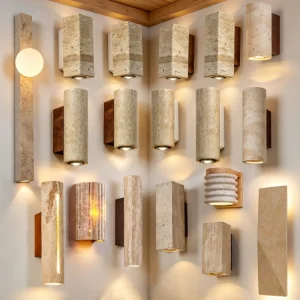
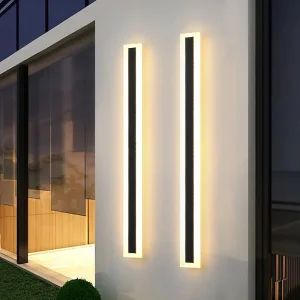
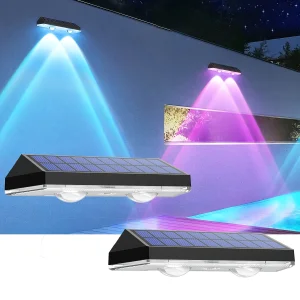
Premium linear lights, natural travertine housings, and outdoor solar-powered up and down fixtures for contemporary exterior layouts.